Optimal Seasons for Concrete Leveling
Concrete levelings are most effectively performed during specific weather conditions to ensure optimal results. The ideal period typically falls within moderate temperatures and low humidity, avoiding extreme cold or heat. Proper timing can extend the longevity of the leveling and prevent issues such as cracking or shifting.
Spring and early fall are generally the best seasons for concrete levelings due to stable temperatures and moderate moisture levels.
Temperatures between 50°F and 85°F support proper curing and adhesion of leveling compounds.
Avoid performing concrete levelings during freezing temperatures, heavy rain, or extreme heat to prevent structural issues.
Local climate variations can influence the ideal timing, with milder climates offering a broader window for effective work.
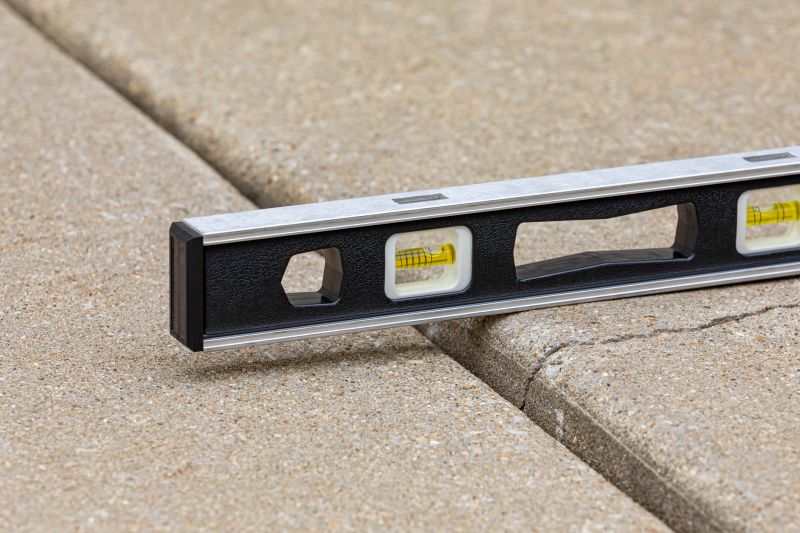
Ways to make Concrete Levelings work in tight or awkward layouts.
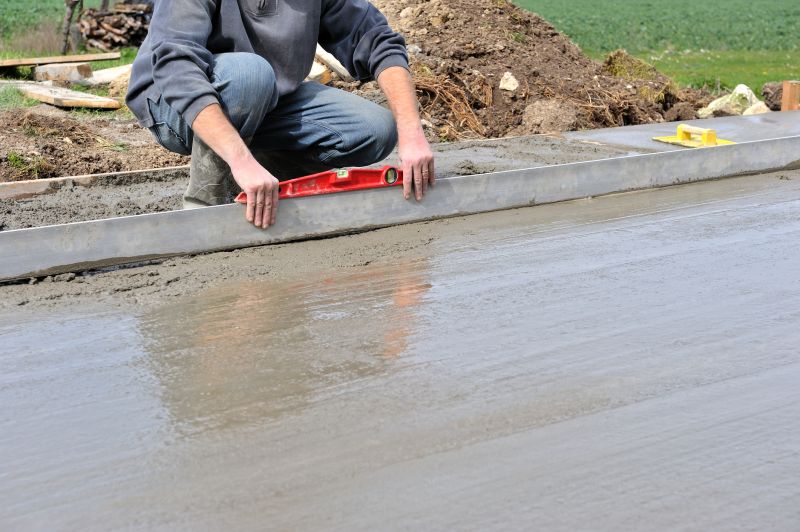
Popular materials for Concrete Levelings and why they hold up over time.
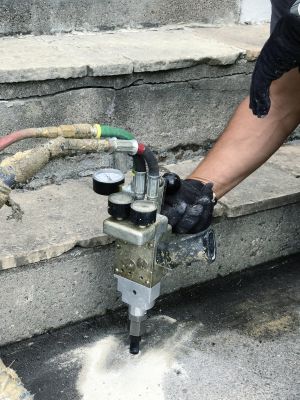
Simple add-ons that improve Concrete Levelings without blowing the budget.
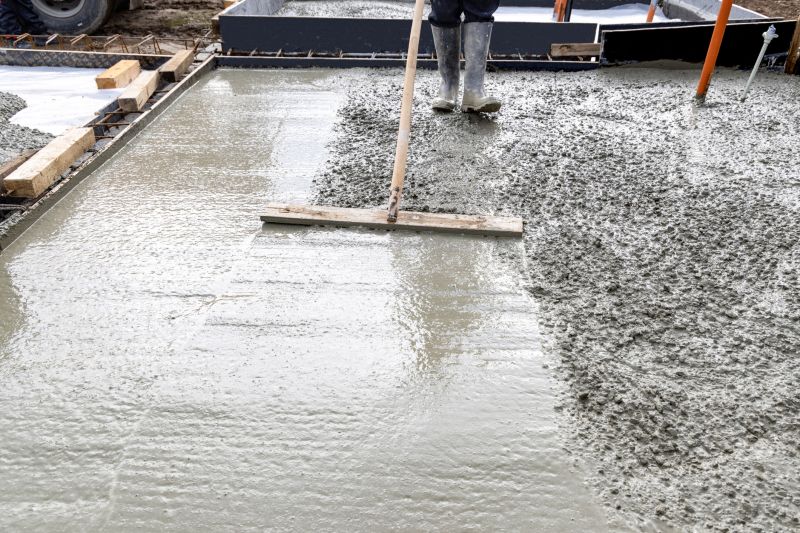
High-end options that actually feel worth it for Concrete Levelings.
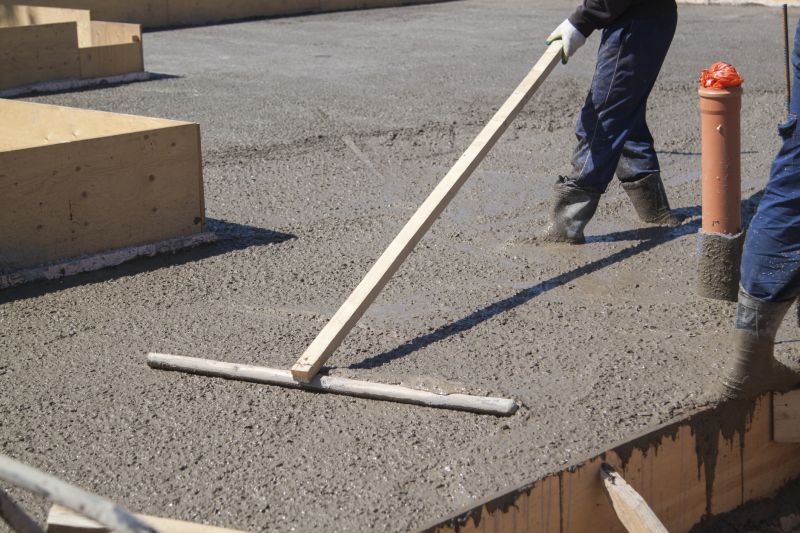
Finishes and colors that play nicely with Concrete Levelings.
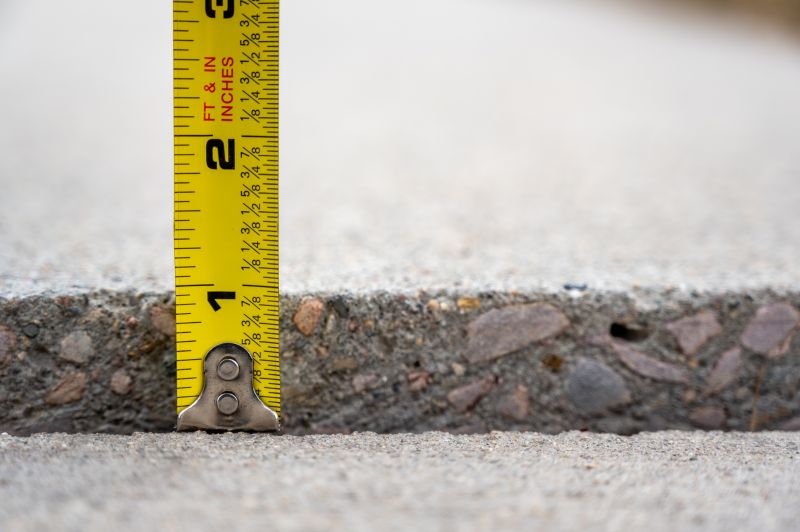
Little measurements that prevent headaches on Concrete Levelings day.
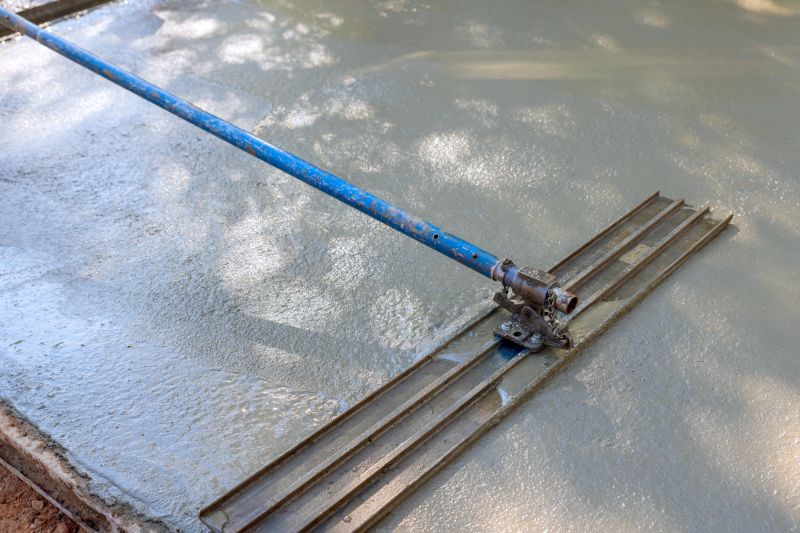
A 60-second routine that keeps Concrete Levelings looking new.
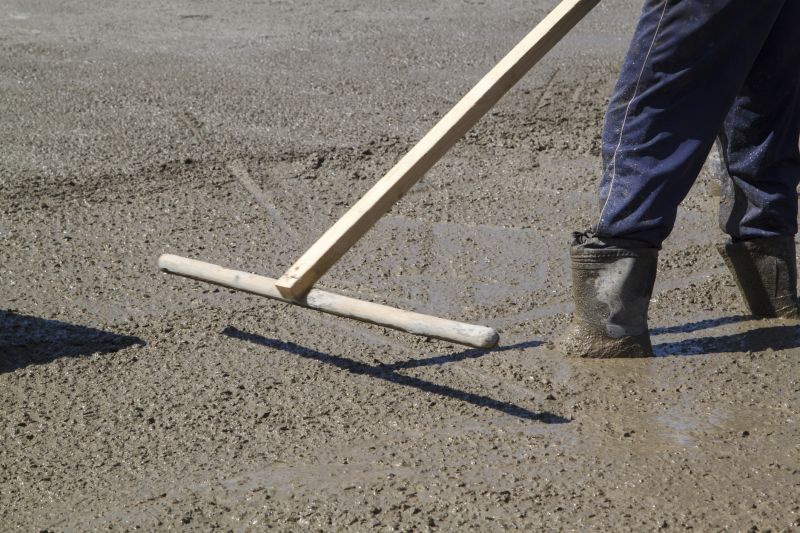
A frequent mistake in Concrete Levelings and how to dodge it.
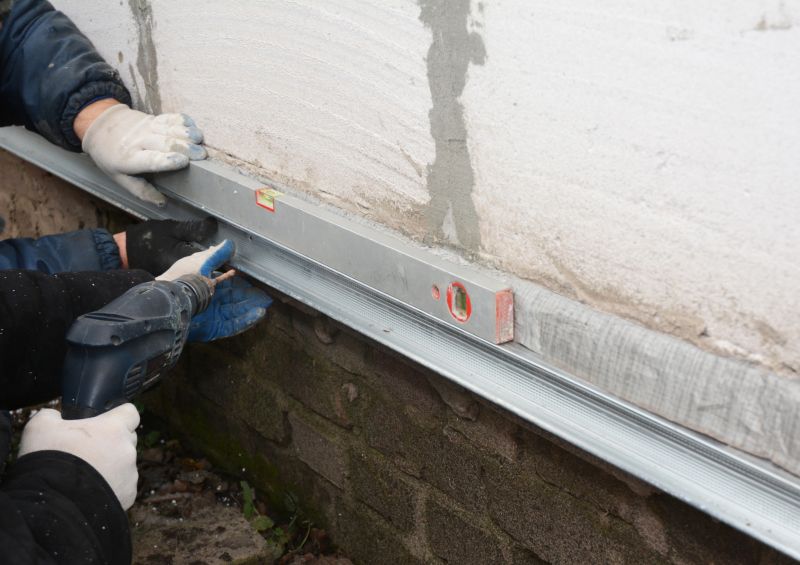
Small tweaks to make Concrete Levelings safer and easier to use.
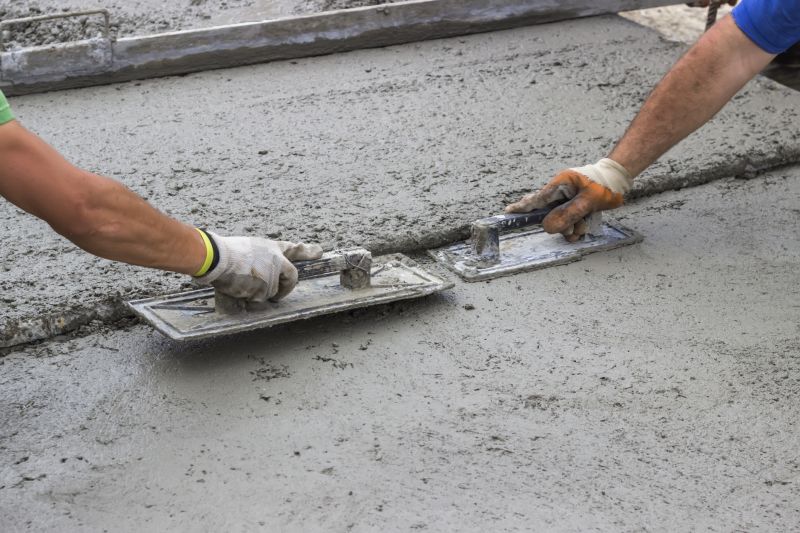
Lower-waste or water-saving choices for Concrete Levelings.
| Season | Ideal Temperature Range |
|---|---|
| Spring | 50°F to 85°F |
| Early Fall | 50°F to 85°F |
| Late Fall | Below 50°F not recommended |
| Winter | Below freezing temperatures not suitable |
| Summer | Above 85°F may cause rapid drying |
Concrete levelings involve lifting and smoothing uneven surfaces to restore their appearance and functionality. They are a cost-effective alternative to replacing entire slabs and can significantly improve safety and aesthetics. Proper timing ensures the materials used adhere correctly and cure properly, extending the lifespan of the repair.
Statistics indicate that scheduling concrete levelings during moderate weather conditions can increase durability by up to 30%. This process is essential for maintaining the structural integrity of driveways, sidewalks, and other concrete surfaces, especially in climates with fluctuating temperatures.
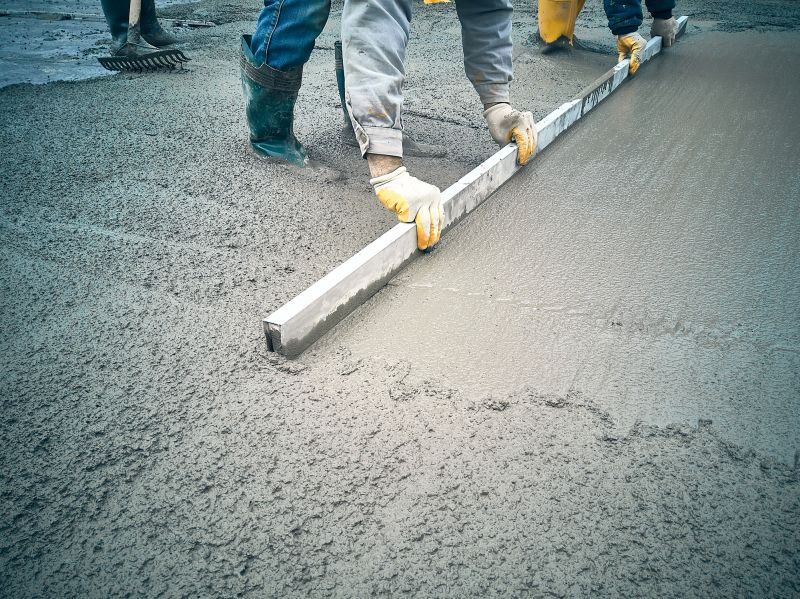
The short, realistic tool list for quality Concrete Levelings.
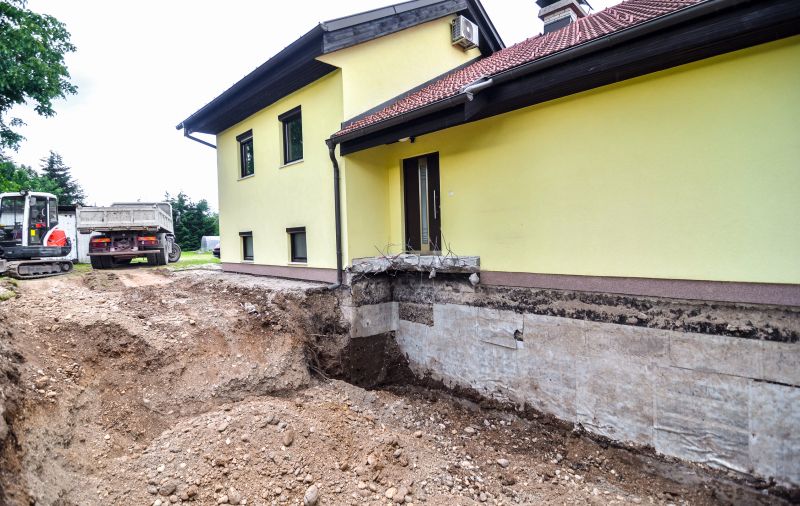
Rough timing from prep to clean-up for Concrete Levelings.
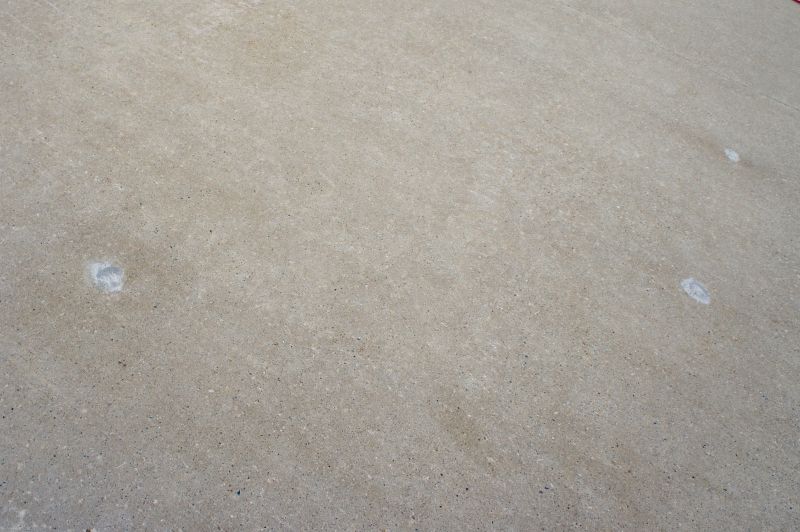
Quick checks and paperwork to keep after Concrete Levelings.
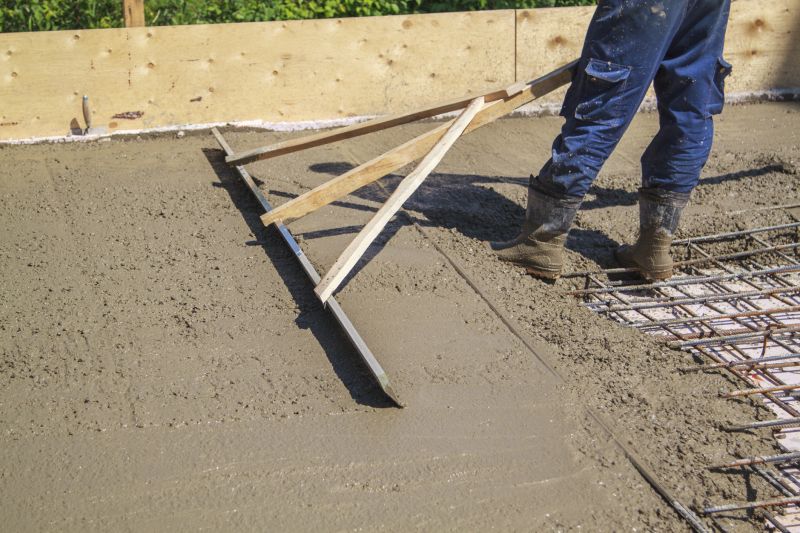
Examples that show the impact a good Concrete Levelings can make.
Interested in scheduling a concrete leveling project? Filling out the contact form can provide more information on the best timing for specific surfaces and local conditions. Proper planning can ensure long-lasting results and improved surface safety.